Ricoh GR IV HDF – Fast Street Camera with a Soft, Cinematic Look
The RICOH GR series has been a defining system in premium compact street photography for over 30 years, combining pocketable size, fast operation, and high image quality. From its film-era origins to the latest digital and monochrome solutions, the series has consistently been built around the snapshot philosophy, supported by modern technology and a clean, photographer-centric design approach.
APS-C - 28mm - Highlight Diffusion Filter - Expert support from Fotoplus
The Ricoh GR IV HDF is a special edition of the legendary GR series, built for photographers who value speed, discretion, and character. This version introduces a built-in Highlight Diffusion Filter (HDF) that softly diffuses bright areas, creating a dreamy, atmospheric and nostalgic rendering—especially effective for street, night and backlit scenes.
At Fotoplus, you don’t just buy the camera. You get real-world advice, setup support and long-term expertise from a team that works with street and documentary photographers every day.

Highlight Diffusion Filter: Soft highlights at the press of a button
The HDF filter replaces the ND filter found in the standard GR IV model and is designed specifically for creative highlight control.
Key features:
- Soft, diffused highlights with a subtle glow
- Dedicated HDF button for instant on/off control
- Fully customizable button assignment
- Exclusive silver shutter button distinguishing the HDF version
New 25.7 MP APS-C sensor and GR ENGINE 7
The GR IV HDF features a newly developed 25.7 MP back-illuminated APS-C CMOS sensor, paired with the GR ENGINE 7 processor.
Advantages:
- Cleaner images and reduced noise
- ISO range up to 204,800
- Faster operation with 0.6-second startup
- 14-bit DNG and JPEG capture
This combination delivers excellent performance in low-light and fast-paced shooting situations.
Faster, more accurate autofocus
One of the most important upgrades is the improved autofocus system:
- Faster and more responsive focusing
- Enhanced face and eye detection
- Improved subject tracking
- More reliable AF in low light
The signature Full Press Snap function remains: fully press the shutter to instantly override AF and focus at a preset distance—ideal for street photography, eliminating shutter lag entirely.
5-axis image stabilization, up to 6 stops
The new 5-axis Shake Reduction system compensates for up to 6 stops of camera shake, a major improvement over the previous 3-axis system.
This allows confident handheld shooting in low light, even at slower shutter speeds.
Image Control and cinematic color profiles
The GR IV HDF offers 12 Image Control modes, including the new Cinema mode.
- Choice of yellow or green tonal bias
- Adjustable contrast, saturation, grain and color balance
- Custom profiles can be saved for quick access
Perfect for photographers who want a finished look straight out of the camera, without heavy post-processing.
Redesigned 28mm f/2.8 lens: the GR signature
The classic 28mm equivalent fixed lens remains, now with a completely new optical design.
- 7 elements in 5 groups
- Aspherical, HR and low-dispersion elements
- Improved sharpness across the frame
- Faster focusing and lighter construction
- Macro mode: 6–12 cm
- Built-in crop modes simulating 35mm and 50mm fields of view
Compact design, professional handling
- Slimmer body with improved grip
- Magnesium alloy construction
- New DB-120 battery (~250 shots per charge)
- 53 GB internal memory + microSD slot
- USB-C charging and data transfer
- 0" touch LCD with reduced reflections and outdoor brightness mode
Wireless connectivity and GR WORLD app
The GR WORLD app provides:
- Fast image transfer to mobile devices
- Remote camera control
- Location data synchronization
Bluetooth and Wi-Fi ensure stable and efficient connectivity.
Why buy the Ricoh GR IV HDF from Fotoplus?
- Official product with full warranty
- Expert advice from photographers who use the GR system
- Accessory recommendations (cases, straps, batteries)
- Educational content, workshops and long-term support
The Ricoh GR IV HDF is about speed, intuition and visual character. Fotoplus helps you get the most out of it—right from day one.
Ricoh GR IV HDF
A Faster GR with Mellow, Diffused Expression
The "ultimate snap shooter" with a twist, the Ricoh GR IV HDF is a specialized version of the popular compact fixed-lens camera, now featuring a built-in Highlight Diffusion Filter that renders highlights with a diffused, soft, and blurred effect for a more dreamlike and ethereal image quality.
This selectable filter replaces the ND filter from the standard edition of the camera and leaves the rest of the camera nearly the same, including the 25.7MP BSI CMOS sensor, 28mm-equivalent lens, fast AF, refined Shake Reduction, and the improved wireless settings control via the GR WORLD app.
HDF Distinctions
- Built-In HDF diffuses highlights for a softer, blurred effect that renders images with a more dreamlike and nostalgic quality.
- HDF can be turned on and off via a single button-the rear Fn button has "HDF" printed near it and is configured to control this filter. The button can be reassigned, though, and the HDF function can be programmed to other controls if desired.
- Aside from the filter itself, the HDF camera also features a unique silver-colored shutter release button that is visually distinct from standard GR III-series cameras.
New 25.7MP BSI CMOS Sensor and GR ENGINE 7
Featuring a new sensor and processor, the GR IV HDF sports a 25.7MP APS-C CMOS sensor with a back-illuminated design for cleaner image quality and reduced noise.
This sensor pairs with the updated GR ENGINE 7 processor that helps to achieve a full stop better low-light performance along with a faster 0.6-sec startup time, quicker focusing performance, up to ISO 204800, and the same versatile 14-bit DNG and JPEG recording as its predecessor.
Faster and More Accurate Autofocus
One of the key upgrades of the GR IV HDF is faster focusing performance. Aided by the new GR ENGINE 7 processing and a redesigned lens that's lighter in weight, AF performance is more responsive than its predecessor, focusing hunting is greatly reduced, and both face recognition and subject tracking have been improved. Additionally, pairing with the improved low-light image quality, low-light focusing is also faster and more accurate for shooting in difficult lighting conditions.
- During autofocus shooting, this AF system detects the subject's face or eye with precision, focuses on it, and indicates the in-focus position on the LCD display using the AF frame. When the camera detects multiple faces, it automatically distinguishes the main subject from secondary ones and indicates this on the focus frame.
- Full Press Snap function lets you override the AF in an instant by fully depressing the shutter button and having the lens immediately focus at a preset distance. This unique shooting and focusing function is perfect for street photography and eliminates any lag times for decisive moment-type shooting.
5-Axis Shake Reduction
One more asset for low-light use, the GR IV HDF has a new 5-axis Shake Reduction system that compensates for up to 6 stops of camera shake. Improving upon the 3-axis system of the previous generation, this new stabilization system compensates for more types of camera movement and is more effective at reducing the appearance of camera shake when shooting handheld.
Image Control
- Image Control function offers 12 distinct modes to apply preset looks to a scene along with a new Cinema mode, with a choice of Yellow or Green tone, for a more nostalgic and filmic appearance.
- Saturation, contrast, hue, key, grain parameters of each mode can be adjusted to suit the desired effect and select settings also support strength and size tuning for an even more personalized look.
- User-selected settings can be added to the Image Control menu as a custom mode.
Shooting Modes
- An electronic shutter function enables shooting at up to 1/16,000-sec to better enable working in bright conditions with wider aperture values.
- When set to Program AE, the GR IV HDF now has a Program Auto Ex function, which allows instant switching of the exposure mode by turning the front e-Dial for Aperture Priority or the rear e-Dial for Shutter Priority.
- Snap Distance-Priority AE (Sn) mode has also been added to the exposure mode options; this mode emphasizes the depth of field of a scene and adjusts the exposure parameters to prioritize the desired depth of field effect.
- Sensor has an anti-aliasing (AA) filter-less design, which maximizes sharpness and resolution in most shooting circumstances. However, for certain circumstances, like when photographing some fabrics and other high-frequency patterns and colors, the Shake Reduction mechanism can simulate the effects of an AA filter to reduce moiré.
- Integrated multi-exposure mode with no frame limit for compositing unlimited sequential exposures in-camera.
- Multi-Segment, Center-Weighted, and Spot metering options are available along with a Highlight-Weighted options that prioritizes keeping highlight values within the dynamic range and allowing shadows to become darker and moodier.
- In addition to stills shooting, the GR IV HDF is also capable of recording Full HD 1080 video at 60p, 30p, and 24p frame rates.
Redesigned 28mm f/2.8-Equivalent Lens
Quintessential to the GR shooting experience, the GR IV HDF retains a 28mm-equivalent fixed lens design; this wide-angle lens is ideal for everyday shooting, street scenes, and travel applications and is paired with a reasonably bright f/2.8 maximum aperture that is both fast enough for low-light shooting and helps keep the overall size and weight of the camera low.
- All-new optical design greatly improves the sharpness compared to previous generations. The 7-elements-in-5-groups layout includes aspherical, HR, and low-dispersion glass elements, which help achieve greater clarity and resolution, as well as a smaller and lighter physical design that's faster focusing and quicker to deploy.
- Dedicated Macro mode with a distinct close-up focusing range suits working with subjects within a 6 to 12 cm working range.
- Built-in crop modes simulate the fields of view of 35mm and 50mm lenses, offering an even narrower field of view without needing to change lenses.
Body Design and Handling
- Updating the popular and highly portable design, the GR IV HDF is even slimmer than its predecessor to promote a firmer, more secure grip. Additionally, the camera keeps its lightweight-yet-rigid magnesium alloy build.
- New DB-120 battery is used in the GR IV HDF; this larger capacity battery now affords approximately 250 shots per charge compared to the 200 shots per charge of its predecessor.
- Internal memory has been increased to 53GB, and the memory card slot has been changed to the sleeker microSD format.
- USB-C port permits in-camera battery charging and data transfer.
- The layout of the control buttons and dials has been redesigned for easier access and the ADJ lever has been changed to a dial for more intuitive operation.
- Rear 3.0" 1.04m touchscreen LCD monitor has an air gapless design to help reduce reflections for improved visibility in outdoor conditions. Also, the Outdoor Monitor Setting function boosts brightness to suit midday shooting and there is a new Auto monitor brightness setting that automatically adjusts the brightness level depending on the ambient lighting.
Wireless Connectivity and GR WORLD App
- A new and dedicated GR WORLD app has been designed for a simplified experience when shooting with GR-series cameras. This app enables transferring files from the camera to the mobile device, remote shutter release control, and transferring of location data.
- Both Bluetooth and Wi-Fi are used for easy and stable connecting to mobile devices.
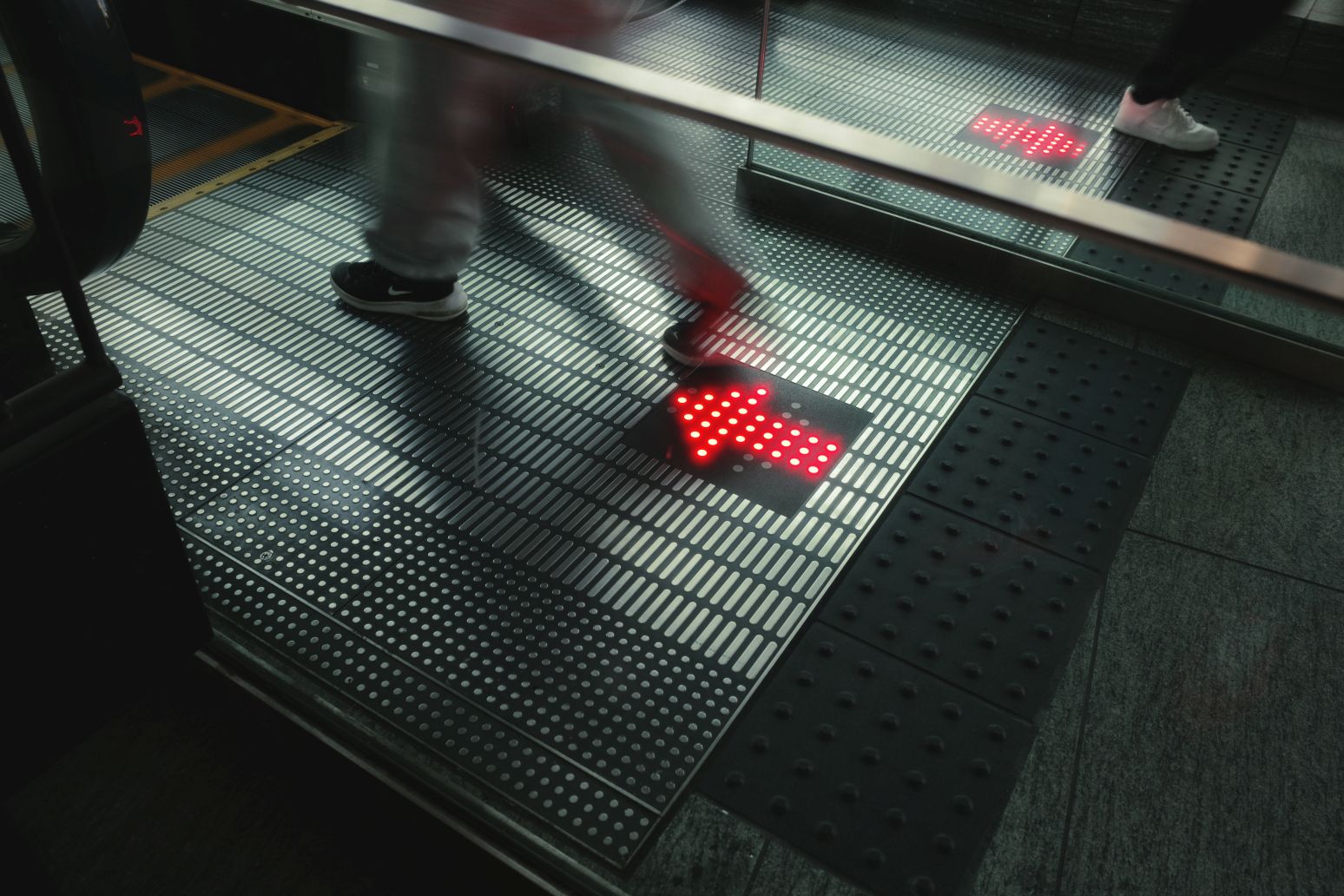
Ricoh GR IV vs Ricoh GR IV HDF – Which One Fits Your Shooting Style?
The Ricoh GR IV and Ricoh GR IV HDF share the same core technology and performance. They are built on the same platform, with identical sensor, processor, lens, autofocus, and stabilization.
The real difference is not speed or image quality, but how the camera renders light and mood.
Shared foundation – what’s identical in both models
Both cameras are based on the GR IV platform, offering:
- 7MP APS-C BSI CMOS sensor
- GR ENGINE 7 image processor
- 28mm equivalent f/2.8 fixed lens
- Fast autofocus with face detection and subject tracking
- Full Press Snap for instant street photography
- 5-axis image stabilization, up to 6 stops
- 14-bit DNG and JPEG capture
- Identical body size, controls, battery, and ergonomics
In terms of speed, responsiveness, and portability, both cameras deliver the classic GR experience that street, travel, and documentary photographers rely on.
The key difference: ND filter vs Highlight Diffusion Filter
Ricoh GR IV (Standard version)
The standard GR IV features a built-in ND filter.
This is ideal if you:
- shoot in bright daylight with wide apertures
- want motion blur or long exposures during the day
- prefer maximum exposure control for stills or video
The standard version is designed for neutral, high-contrast, technically precise images, giving you full control over light.
Ricoh GR IV HDF
The HDF version replaces the ND filter with a Highlight Diffusion Filter.
This filter:
- softens bright highlights
- creates subtle glow and bloom around light sources
- adds a cinematic, nostalgic, atmospheric look
It’s especially effective for:
- night street photography
- city lights and backlit scenes
- portraits and mood-driven visual storytelling
The HDF version is not about technical correction — it’s about creative character baked into the image at capture.
How this affects real-world shooting
If you prefer clean, neutral, highly controlled images, and often work in strong daylight, the GR IV standard is the more versatile choice.
If you:
- prioritize mood and atmosphere
- like a film-inspired, organic rendering
- want distinctive highlight behavior straight out of camera
- prefer less post-processing
then the GR IV HDF offers a clearly different creative direction — without sacrificing speed or sharpness.
Handling and design details
The HDF version also includes:
- a dedicated HDF toggle button
- a distinctive silver shutter release button
These don’t change operation, but they subtly reinforce that the HDF is aimed at expressive, creative shooting styles.
Which one should you choose?
Choose Ricoh GR IV (standard) if:
- exposure control is a priority
- you frequently shoot in bright conditions
- you want the flexibility of a built-in ND filter
Choose Ricoh GR IV HDF if:
- mood matters as much as sharpness
- you enjoy cinematic light and soft highlights
- you want images with character straight from the camera



